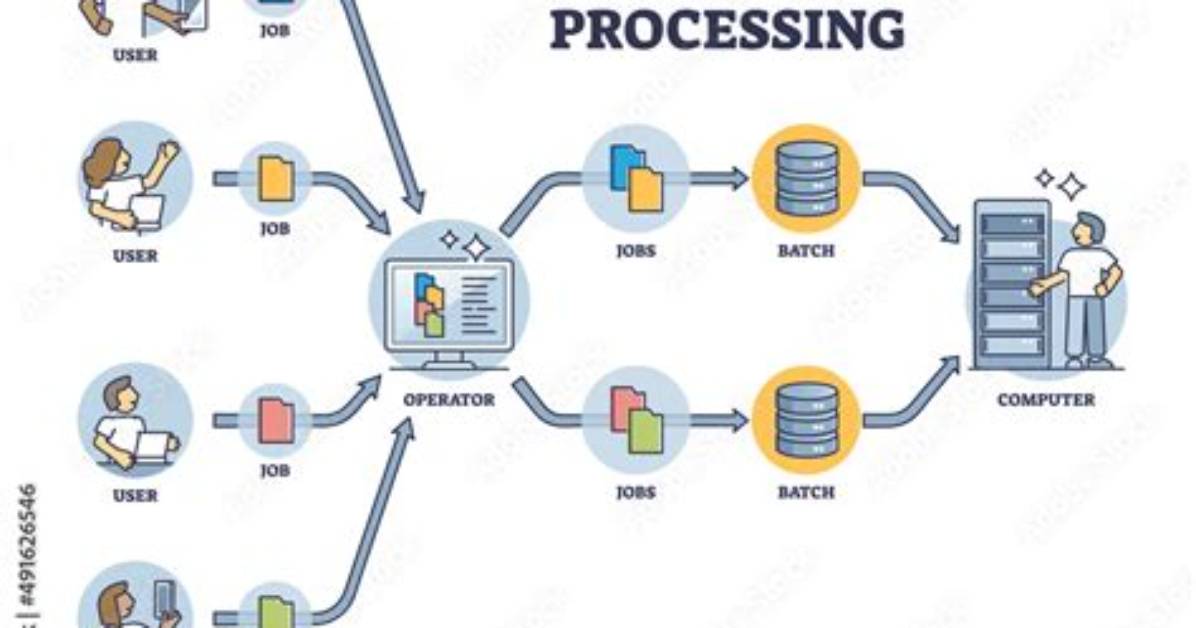
RemoteIoT batch job examples have become essential in today's technology-driven world, where data processing plays a critical role in business operations. Businesses are increasingly turning to remote solutions to manage their data more effectively and efficiently. With the growing demand for remote work and cloud-based systems, RemoteIoT batch jobs are becoming an indispensable tool for organizations across various industries.
The rise of IoT (Internet of Things) technology has revolutionized the way businesses handle data processing. RemoteIoT batch jobs offer a flexible and scalable solution for managing large datasets, enabling companies to streamline their operations and reduce costs. By leveraging remote technology, businesses can process data in real-time, enhancing productivity and decision-making capabilities.
In this article, we will explore the concept of RemoteIoT batch jobs, their applications, and how they can benefit your organization. We will also provide practical examples and insights into how to implement these solutions effectively. Let's dive in!
What is RemoteIoT?
RemoteIoT refers to the integration of Internet of Things (IoT) technology with remote data processing systems. This technology allows devices and sensors to collect and transmit data to centralized systems for analysis and processing. RemoteIoT enables businesses to monitor and manage their operations remotely, providing real-time insights and improving decision-making capabilities.
Key Components of RemoteIoT
Understanding the key components of RemoteIoT is crucial for implementing effective batch job solutions:
- Sensors: Devices that collect data from the environment or specific processes.
- Gateways: Intermediate devices that transmit data from sensors to the cloud or central servers.
- Cloud Platforms: Centralized systems that store and process data collected by IoT devices.
- Analytics Tools: Software solutions that analyze and interpret the data for actionable insights.
Batch Job Definition
A batch job is a set of instructions or tasks executed sequentially by a computer system. Unlike real-time processing, batch jobs are typically scheduled to run at specific intervals, processing large amounts of data in one go. Batch processing is ideal for tasks that do not require immediate results, such as data aggregation, reporting, and data transformation.
Characteristics of Batch Jobs
Batch jobs possess several defining characteristics that make them suitable for specific use cases:
- Non-Interactive: Batch jobs run without user intervention, making them efficient for repetitive tasks.
- Scalable: They can handle large datasets, ensuring optimal performance even with increasing data volumes.
- Automated: Once configured, batch jobs can run automatically, reducing manual effort and minimizing errors.

