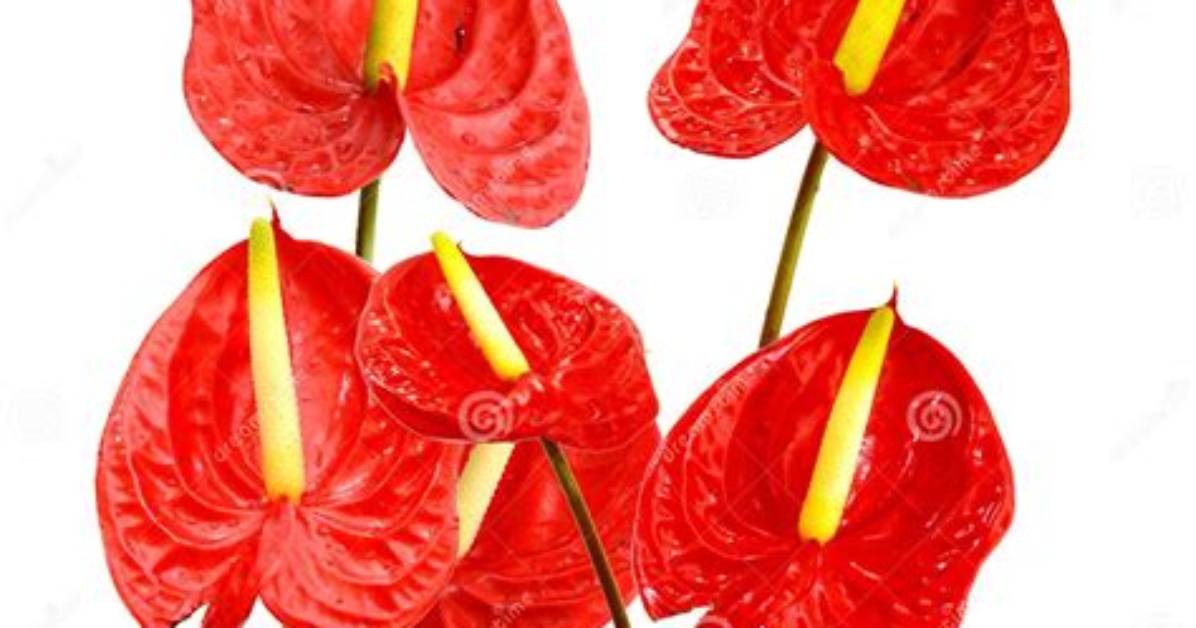
Emma Anturium has become a sensation in the world of horticulture and floristry. Known for its vibrant colors and striking appearance, this unique plant variety continues to captivate enthusiasts globally. Whether you're a gardening expert or simply someone who appreciates the beauty of nature, Emma Anturium offers something special that sets it apart from other flora.
The Emma Anturium is more than just a plant; it's an emblem of elegance and sophistication. Its distinctive heart-shaped leaves and vibrant hues have made it a favorite among florists, interior designers, and nature lovers alike. As we delve deeper into this guide, you'll uncover the fascinating world of Emma Anturium, including its origins, care tips, and much more.
This article aims to provide you with valuable insights into Emma Anturium, ensuring you have all the information you need to grow and care for this remarkable plant. Let's explore its beauty, history, and the reasons why it continues to be a beloved choice for many.
Emma Anturium: A Brief Biography
Overview of Emma Anturium
The Emma Anturium, scientifically known as Anthurium andraeanum, is a member of the Araceae family. It is native to the tropical rainforests of Central and South America. Over the years, this plant has been selectively bred to enhance its aesthetic appeal, resulting in the stunning variety we know today. Below is a summary of its key details:
| Common Name | Emma Anturium |
|---|---|
| Scientific Name | Anthurium andraeanum |
| Origin | Central and South America |
| Height | 12-18 inches |
| Flower Colors | Red, Pink, White, Purple |
Origins and History of Emma Anturium
Early Discoveries and Cultivation
The journey of Emma Anturium dates back to the early 19th century when European explorers first encountered this plant in the lush rainforests of Colombia and Ecuador. Its unique appearance quickly made it a subject of fascination for botanists and horticulturists. Over time, selective breeding has led to the creation of various cultivars, each with its own distinct color and shape.
Today, Emma Anturium is cultivated worldwide, with major production centers in countries like the Netherlands, Israel, and Kenya. These regions have optimized their growing conditions to produce high-quality Emma Anturium for both domestic and international markets.

