Planning a trip to Costa Rica and wondering about electrical outlets? Understanding the standards and requirements is crucial for ensuring your devices work seamlessly during your stay. Whether you're traveling for leisure or business, knowing the type of outlets, voltage, and adapters needed can save you from unnecessary inconveniences.
Costa Rica, with its stunning landscapes and vibrant culture, is a popular destination for travelers worldwide. However, as you pack your bags, it's essential to consider practical details like electricity standards. This guide will provide you with all the information you need to navigate electrical outlets in Costa Rica.
From the types of plugs used to voltage requirements and adapter recommendations, this article will ensure you're well-prepared for your trip. Let's dive in and explore everything you need to know about electrical outlets in Costa Rica.
Types of Electrical Outlets in Costa Rica
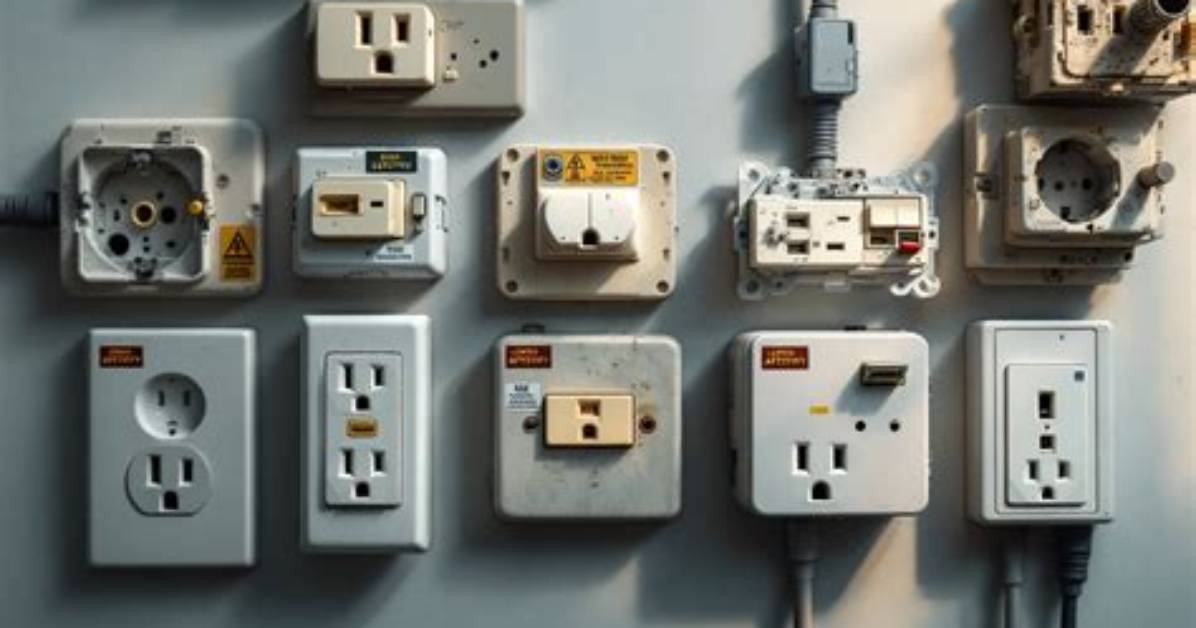
When visiting Costa Rica, you'll encounter two primary types of electrical outlets: Type A and Type B. These are the same outlets commonly found in the United States and Canada, making it convenient for travelers from these regions.
Understanding Type A and Type B Outlets
- Type A: This plug has two flat prongs and is commonly used for low-power devices like lamps or small electronics.
- Type B: This plug features two flat prongs with a grounding pin, offering enhanced safety for higher-powered appliances.
Most establishments in Costa Rica will have Type B outlets, which are compatible with both plug types. However, it's always a good idea to double-check before plugging in your devices.
Voltage and Frequency Standards
Costa Rica operates on a standard voltage of 120V, which is the same as in the United States and Canada. The frequency is set at 60Hz, making it compatible with most North American electronics.
Compatibility with International Devices
If you're traveling from a country that uses a different voltage standard, such as Europe (220V-240V), you may need a voltage converter to avoid damaging your devices. However, many modern electronics, such as laptops and smartphones, are dual-voltage and can handle both 110V and 220V without issue.

