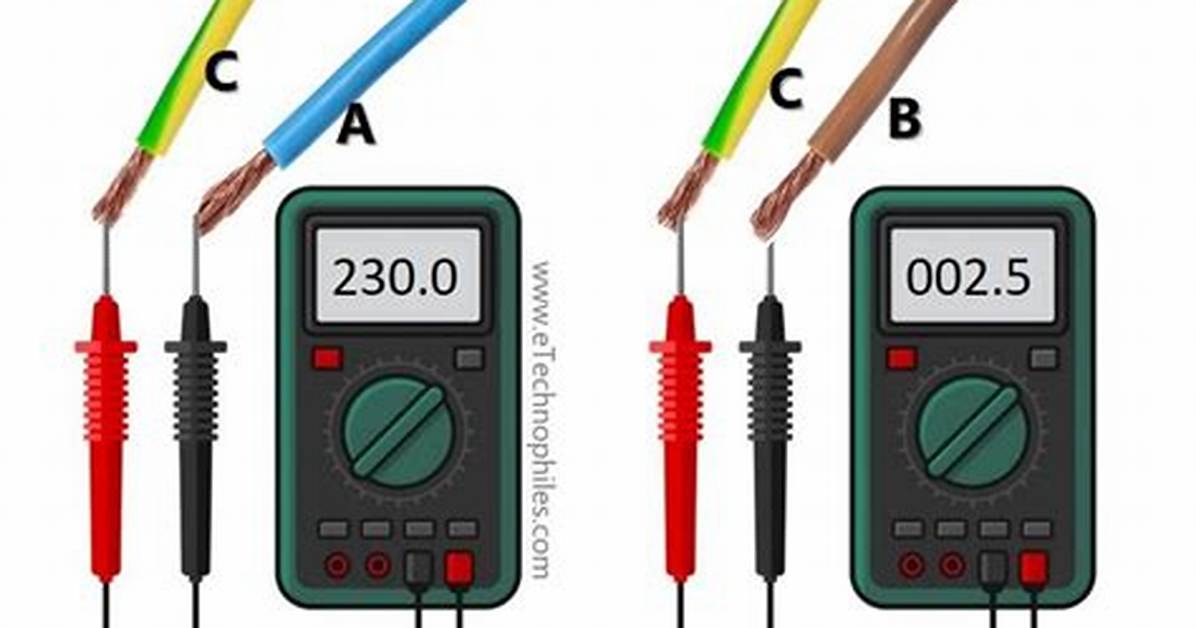
Checking for a live wire is an essential skill that every homeowner or electrician should master. Whether you're troubleshooting electrical issues or planning a DIY project, understanding how to detect live wires can prevent accidents and ensure your safety. In this article, we will explore the best practices, tools, and techniques to identify live wires effectively.
Electricity is a powerful resource that powers our homes and workplaces, but it can also be dangerous if not handled properly. One of the most critical aspects of electrical safety is learning how to check for live wires. This knowledge not only protects you but also helps you complete tasks efficiently.
Throughout this guide, we will delve into the step-by-step process of detecting live wires, including the tools you need, safety precautions, and expert tips. By the end of this article, you'll have a solid understanding of how to approach electrical work safely and confidently.
Introduction to Live Wires
A live wire carries electrical current and can pose significant risks if mishandled. Identifying live wires is crucial before performing any electrical work, as it helps prevent electric shocks, fires, and other hazards. Understanding the basics of electrical systems and the tools used to detect live wires is the first step toward ensuring safety.
Live wires are typically found in household wiring, electrical panels, and appliances. They are responsible for delivering electricity to various devices and outlets. However, they can also be dangerous if not properly insulated or if they come into contact with water or other conductive materials.
This section will provide an overview of live wires, their functions, and why checking for them is important. We will also touch on the importance of following electrical codes and regulations to maintain safety standards.
Tools Needed to Check for Live Wires
Before you begin checking for live wires, it's essential to gather the right tools. Having the proper equipment ensures accuracy and safety during the process. Below are some of the most commonly used tools for detecting live wires:
- Non-contact voltage tester
- Multimeter
- Screwdriver with insulated handles
- Insulated gloves
- GFCI tester
Each tool serves a specific purpose, and using them correctly can make a significant difference in your ability to identify live wires safely. We will discuss each tool in detail later in the article.

