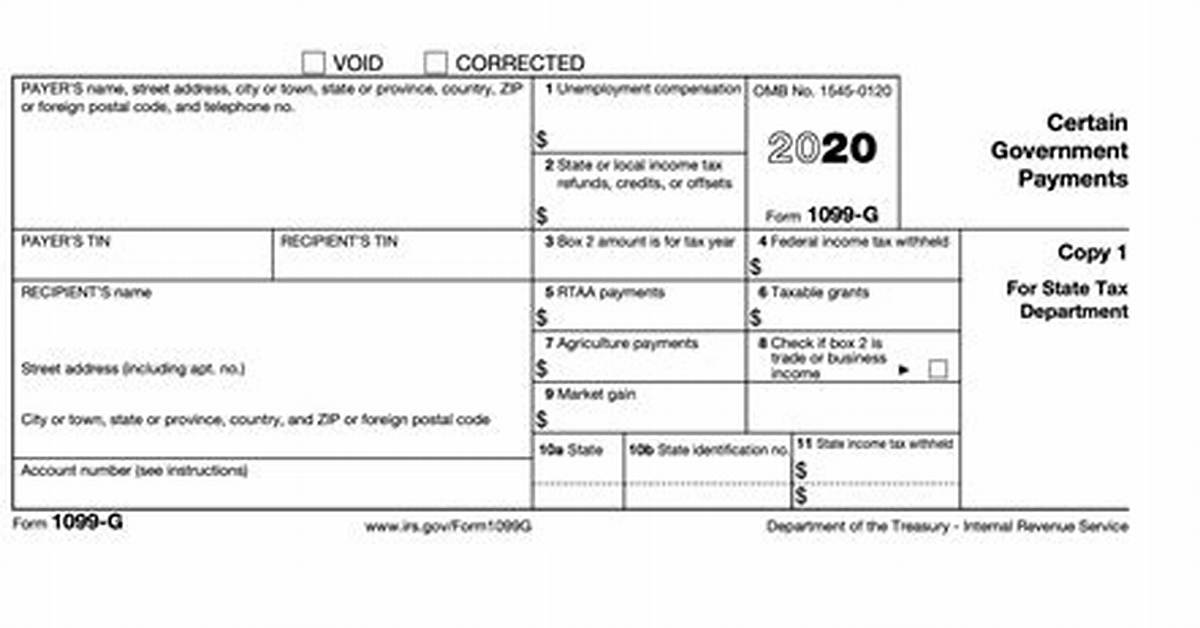
Do you find yourself puzzled by the Colorado 1099-G form and its impact on your tax obligations? You're not alone. Many individuals, especially those who have received government payments or refunds, often face challenges when dealing with this form during tax season. In this detailed guide, we will explore the Colorado 1099-G form in depth, explaining its purpose, functionality, and significance for your tax return. Whether you're a small business owner, an independent contractor, or someone who has received a government payment, this article will assist you in navigating the complexities of the 1099-G form effectively.
Grasping the importance of the Colorado 1099-G is essential because it provides vital information that directly affects your tax filing process. This form documents government payments, including unemployment compensation, state tax refunds, or other government-issued funds. Neglecting to account for these payments correctly could lead to inaccuracies in your tax return, potentially resulting in penalties or audits. Consequently, having a thorough understanding of its purpose and requirements is crucial for all Colorado taxpayers.
As we delve deeper into this topic, we will dissect the intricacies of the Colorado 1099-G form, offering practical advice to ensure compliance and accuracy in your tax filings. Whether you're handling refunds, unemployment benefits, or other forms of government payments, this guide aims to simplify the process and equip you with the knowledge needed to file your taxes confidently and efficiently.
What Exactly is the Colorado 1099-G Form?
The Colorado 1099-G form is an official document issued by the state government to report specific payments made to individuals throughout the tax year. These payments typically encompass state or local income tax refunds, unemployment compensation, and various other government disbursements. For taxpayers, this form serves as an official record of income that must be reported when submitting federal and state tax returns. It ensures transparency between the taxpayer and the IRS, helping to maintain consistency and accuracy in tax calculations.
The Role of the Colorado 1099-G
The primary function of the Colorado 1099-G is to notify taxpayers of any government payments they have received that may be subject to taxation. For instance, if you have received a state tax refund, it might be considered taxable income on your federal return, depending on certain conditions. Similarly, unemployment benefits are usually subject to federal income tax and must be reported accordingly. This form assists taxpayers in accurately documenting these payments, ensuring adherence to both state and federal tax regulations.
Who Should Expect to Receive the Colorado 1099-G?
- Individuals who have received state or local income tax refunds.
- Recipients of unemployment compensation.
- Those who have been issued other government payments, such as disaster relief funds or agricultural subsidies.
It's important to recognize that not every taxpayer will receive a 1099-G. If you haven't received any of the payments mentioned above, you likely won't need to concern yourself with this form. However, if you do receive one, it's imperative to carefully examine it and incorporate the information into your tax return.
Breaking Down the Key Elements of the Colorado 1099-G
Understanding the Boxes and Their Significance
The Colorado 1099-G form consists of several boxes, each providing specific information that taxpayers must comprehend:
- Box 1: Indicates the total amount of state or local income tax refunds received during the tax year.
- Box 2: Shows the amount of unemployment compensation paid.
- Box 3: Details other types of government payments, such as disaster relief or agricultural payments.
Each box corresponds to a particular type of payment, and taxpayers must ensure they accurately report the amounts listed in their tax filings. Gaining a clear understanding of what each box represents is crucial to preventing errors that could lead to penalties or audits.

