India, a land of unparalleled diversity, boasts a linguistic tapestry woven with hundreds of languages and dialects. This rich heritage often sparks a fascinating question: which language can claim the title of the oldest in India? It's a debate steeped in history, archaeology, and linguistic analysis, primarily revolving around two magnificent contenders: Sanskrit and Tamil. Understanding this quest for the oldest language also sheds light on how we, in the modern era, interact with and preserve such ancient linguistic treasures.
A Land of Diverse Tongues: The Indian Linguistic Landscape
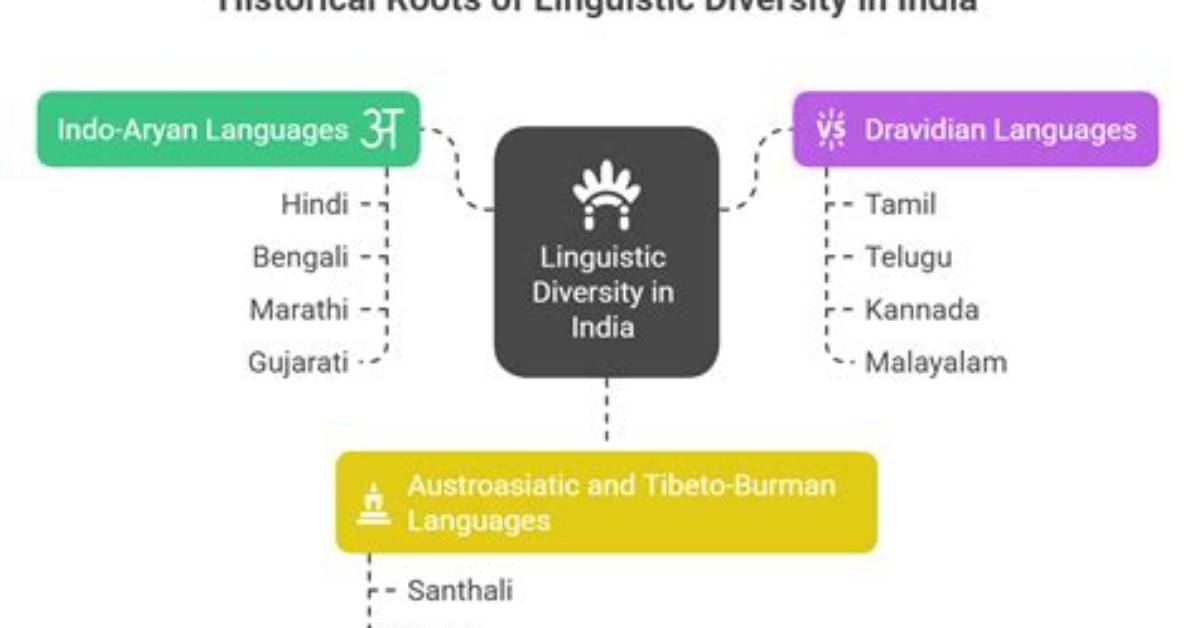
Before diving into the contenders, it's essential to appreciate the sheer scale of India's linguistic diversity. From the Indo-Aryan languages of the North to the Dravidian languages of the South, and numerous other families, India is a living museum of human communication. Each language carries centuries of history, culture, and unique ways of seeing the world. This incredible variety is a testament to the subcontinent's long and complex past, where different communities developed and preserved their distinct forms of expression.
The Contenders: Sanskrit vs. Tamil
When the question of India's oldest language arises, two names invariably dominate the discussion: Sanskrit and Tamil. Both are classical languages with profound literary traditions, ancient scripts, and a continuous history that stretches back millennia. However, their claims to antiquity rest on different types of evidence and interpretations.
Sanskrit: The Language of the Gods and Ancient Scriptures
Sanskrit is often revered as the "language of the gods" and is the primary sacred language of Hinduism. Its roots are traced back to the Indo-Aryan branch of the Indo-European family. The earliest form, Vedic Sanskrit, is found in the Vedas, a collection of hymns and sacred texts, with the Rigveda being the oldest, possibly dating back to 1500-1200 BCE. Later, Classical Sanskrit, codified by the grammarian Pāṇini around the 4th century BCE, became the language of classical Indian literature, philosophy, science, and drama, including epics like the Mahabharata and Ramayana.
Sanskrit's claim to antiquity is strong due to its ancient religious texts. While it evolved and eventually ceased to be a primary spoken language for daily communication, its influence on Indian languages, culture, and thought is immense. Modern scholars and enthusiasts continue to study Sanskrit, often relying on digital resources where the ability to "change output language" in study guides or select a "preferred language" for documentation becomes crucial for global learners. Understanding these ancient texts often requires a form of "translation", bridging the temporal and cultural gap, much like how modern tools assist in understanding diverse languages today.
Tamil: A Living Classical Language of the South
Tamil, a member of the Dravidian language family, presents a compelling case as a continuously spoken classical language. Its literary tradition is incredibly rich and ancient, with the earliest known literary works, the Sangam literature, generally dated between 300 BCE and 300 CE. However, archaeological evidence, such as Brahmi inscriptions found in Tamil Nadu, suggests an even earlier presence, with some dating back to the 6th century BCE.
What makes Tamil's claim particularly unique is its unbroken continuity as a living language. Unlike Sanskrit, which primarily functions as a liturgical and scholarly language today, Tamil is spoken by millions daily and has a vibrant contemporary literature, cinema, and media. The discovery of ancient Tamil Brahmi inscriptions and the wealth of early Sangam literature underscore its deep historical roots. When linguists and historians "detect language" origins and evolution, Tamil offers a continuous lineage that is rare among ancient tongues. Accessing and studying these ancient texts today often involves digital platforms where ensuring the correct "display language" is selected is vital for accurate representation and study.

